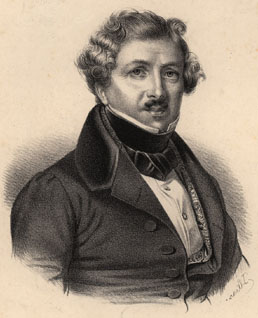
BIRTH/DEATH: 1787-1851ACHIEVEMENTS: Daguerre invented the daguerreotype,
which was the first stable form of photography.
With the daguerreotype the image is exposed
directly onto a mirror-polished surface of silver
bearing a coating of silver halide particles deposited
by iodine vapor. This was the first kind of photography
that did not require hours of exposure.
=========================================
Today, I made a kind of a daguerreotype myself, exept with a glow in the dark star, and a table lamp.
I went into a dark room, (a closet) and put my thumb over part of the star. I turned on the lamp.
After a while, I turned off the lamp, and took off my thumb. i could see a clear imprint of it on the star!
I did this with several different objects, and took some pictures of them.
you can see these below.
The second experiment that I did involved filements.
(You know.......the glowy thing in light bulbs)
I looked at some through a magnifyng glass, and took some pictures.
I also learned a little bit more about how a filiment works, and who invented them.
As I'm sure you (should) know, the inventor of the light bulb is Thomas Edison.
He learned how to make the filiments burn longer, by encasing them in an airtight glass tube.
Not only that, but he had to invent his own method of powering it, and build everything.
There was nothing that he could start with; he had to build everything by himself.
The powerplant, the wires, everything!
Below, you can see some pictures of his invention.